


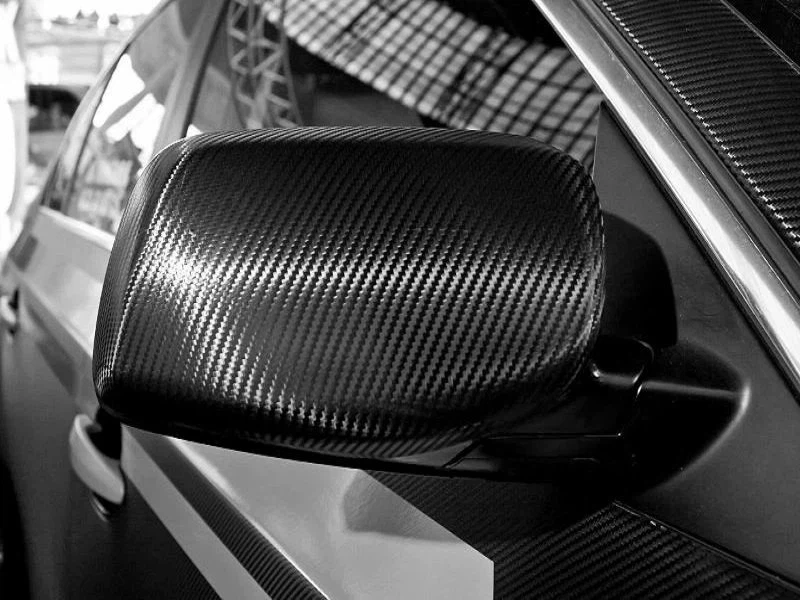
Carbon Fiber Parts
Why Choose Us
Our company is good at composite infusion process, prepreg vacuum bag process, bladder molding process, press mold process, aluminum anodize. We specialize in producing 3D Printing Carbon Fiber Bike Frame, Carbon Fiber Bike Parts, Carbon Fiber Bicycle Handlebars, Carbon Fiber Motorcycle Accessories, Carbon Fiber Bicycle Parts, Carbon Fiber Mountain Bike Accessories, and other Carbon Fiber Bike Accessories.
Quality Assurance
We have passed ISO 13485 quality system certification and CE certification of TUV Rheinland, FDA registration and as well as BSCI audit.
Quick Response
Our commitment is to respond to your inquiries within 24 hours, ensuring that you receive the information and support you require in a timely manner.
Real Factory
We have complete production line, and GMP standard clean room at 100,000 levels and EO sterilizer. We can provide high quality and com-petitive price and fast shipping to global customers.
OEM Service
We provide customized services, we can make product by your special request.

Our frames are designed using the latest technology and materials and we have our own factory to ensure the highest quality and bespoke configuration options.

Carbon fiber is one of the most innovative materials used in manufacturing, including the drone industry.

As a manufacturer with our own factory, we provide customizable carbon fiber drone propellers.

A must-have for drone racing enthusiasts who demand high speed and superior flight control.
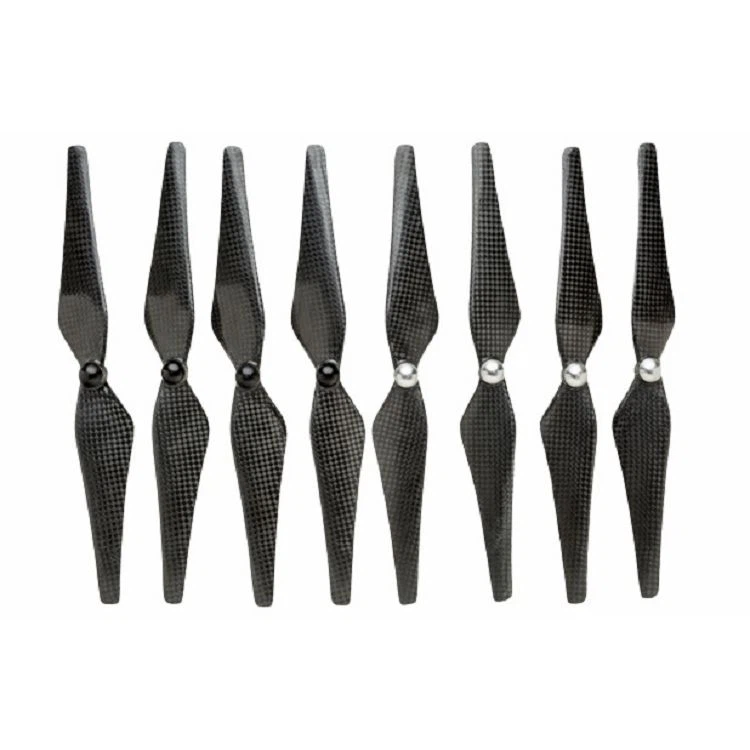
In recent years, the drone industry has boomed and carbon fiber frames have become increasingly popular with manufacturers and hobbyists alike.

Carbon Fibre Paddle Board Paddle
As a manufacturer with our own factory, we are proud to offer bespoke designs of carbon fibre paddles to meet the needs of any paddling enthusiast.
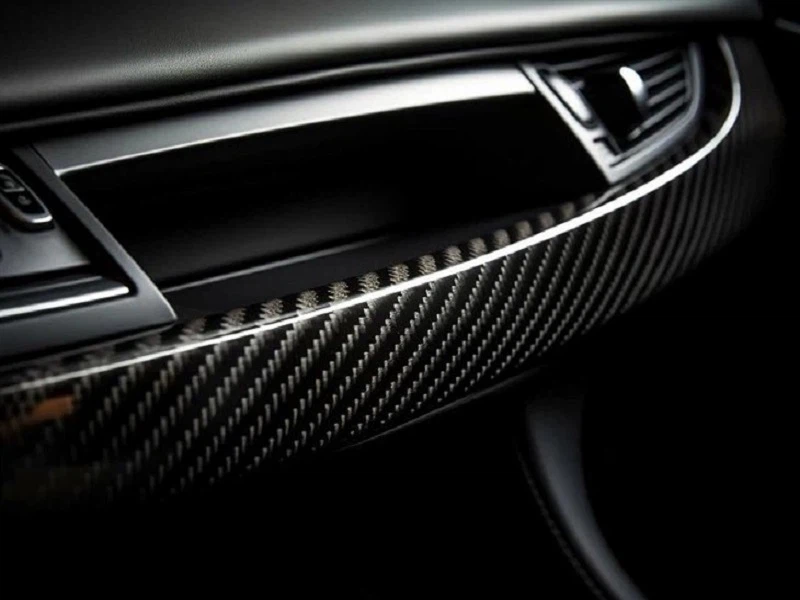
Carbon fiber body components are gaining popularity in the automotive industry due to their light weight, strength and durability.
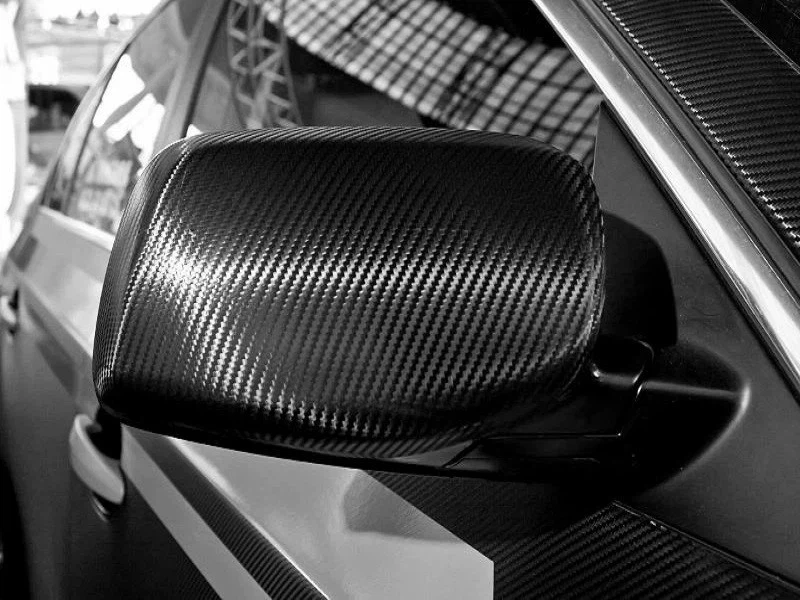
The Audi S3 is a stunning car that combines high performance with sleek styling. One way to enhance the look of this already beautiful vehicle is by adding a carbon fiber body kit.
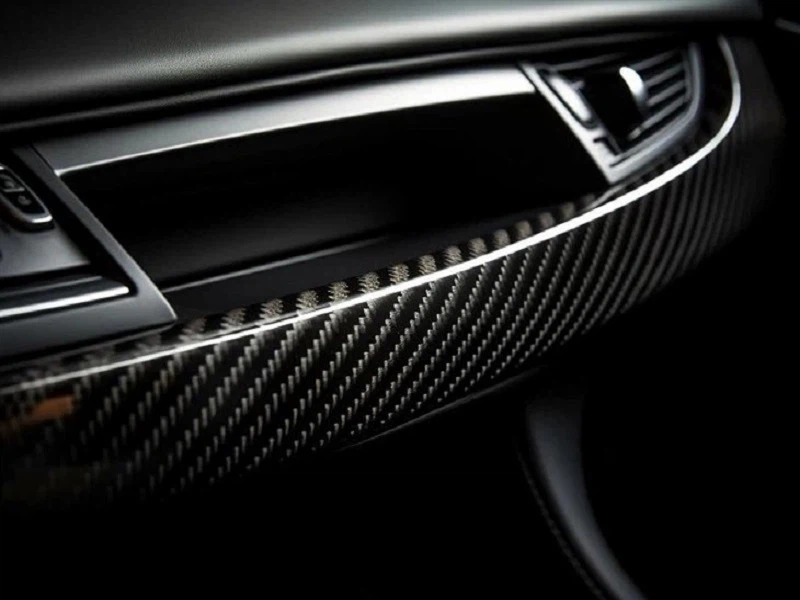
Carbon fiber auto parts are gaining popularity in the automotive industry due to their many benefits.
What is Carbon Fiber Parts
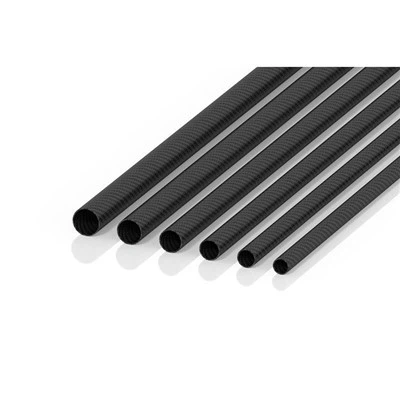
A composite carbon fiber part is a combination of carbon fiber and resin, which is typically epoxy. The strength and stiffness of a carbon fiber composite part will be the result of the combined strengths and stiffnesses of both the fiber and the resin. If you want to know the specifications and prices of Carbon Fiber Tube, please contact us!
Advantage of Carbon Fiber Parts
Resistance to Corrosion & Chemicals
The epoxy resin is inert and not susceptible to corrosion or rust, and the carbon bonds in the fibers are extremely strong and resistant to oxidization.
Low Thermal Expansion
When metal is exposed to heat, it will expand and weaken which can cause issues and possible failure of the part. Carbon fiber has low thermal expansion.
Low Thermal Conductivity
Metal acts as a conductor, aluminum more than steel, which can transmit or radiate heat to its surroundings and cause heat soak. Carbon fiber has low thermal conductivity.
RF Shielding
Carbon Fiber works well to attenuate, or block radio frequency waves, protecting your devices from scanners or people trying to access your data.
Lightweight
Carbon fiber is known for its exceptional strength-to-weight ratio. It is about 5 times stronger and 2 times stiffer than steel, while weighing significantly less. This means that car parts made from carbon fiber are much lighter than their metal counterparts. The reduced weight of these parts results in improved fuel efficiency, better handling, and faster acceleration.
High Strength
Carbon fiber car parts are extremely strong and durable. The fibers are incredibly strong, and when woven into fabric and combined with resin, they become even stronger. This strength makes carbon fiber car parts resistant to impacts, vibrations, and shocks. Additionally, carbon fiber parts have a high tolerance for heat, making them ideal for performance engines and exhaust systems.
Flexibility
Unlike other materials, carbon fiber can be molded into complex shapes without losing its strength properties. This allows car designers and manufacturers to create unique and complex parts that are impossible with other materials. Carbon fiber is also highly resistant to corrosion and doesn't suffer from the same fatigue problems as other materials.
Aesthetically Appealing
Carbon fiber is an attractive material that adds a unique aesthetic to cars. Its dark, woven pattern gives off a luxury and sporty look that isn't possible with other materials. Car enthusiasts appreciate the sleek and stylish look that carbon fiber provides. Additionally, many carbon fiber parts are designed to improve aerodynamics, and their shape and design contribute to the car's overall aesthetic.
Longevity
Lastly, carbon fiber car parts have a longer lifespan than other materials. They are highly resistant to wear and tear and won't rust or corrode. This means that they don't need to be replaced as often as other car parts, resulting in cost savings in the long run.
Aerospace
Carbon fiber is widely used in aerospace applications due to its high strength-to-weight ratio, stiffness, and corrosion resistance. Major uses include aircraft fuselages and wings, helicopter blades, rocket casings, and payload fairings. Using carbon fiber in airplanes can reduce weight by up to 20% for some aircraft. Barely Visible Impact Damage (BVID) is a disadvantage of employing carbon fiber in aircraft. This unseen damage has the potential to impact a component's safety. It requires a great deal of training and testing to detect BVID.
Automotive
As costs come down, carbon fiber is increasingly used in high-end and racing automobiles to reduce weight while maintaining strength and rigidity. Uses include body panels, hoods, roofs, spoilers, and structural components. Carbon fiber can help improve fuel efficiency and handling. Formula 1 race cars rely heavily on carbon fiber.
Sports Equipment
Many high-end bicycles now utilize carbon fiber frames and components to decrease weight and improve performance. Carbon fiber is also used for golf club shafts, tennis rackets, hockey sticks, and other specialty sports gear. In addition, carbon fiber hard hats, clothing, protective gear, and carbon fiber strain are examples of carbon fiber applications. Because racing sports often use carbon fiber helmets and shoes.
Civil Engineering
Carbon fiber reinforcing bars and cables can strengthen concrete and replace traditional steel reinforcement. This reduces the weight of concrete structures and increases their tensile strength. Carbon fiber wraps and laminates can strengthen structural elements like columns and bridges.
Consumer Electronics
Carbon fiber makes some high-end consumer electronics like laptops, phones, tablets, tripods, and headphones lighter and more durable. Carbon fiber device cases and structural components add strength and heat dissipation to these products. Also, the material is especially useful when electromagnetic transparency is needed.
Medical Devices
The biocompatibility and strength of carbon fiber have led to uses such as orthopedic implants, prosthetic limbs, and MRI machines. Carbon fiber-reinforced polymers allow precision parts like bone plates to be produced. Because carbon fiber appears transparent in X-ray images, it is used in various X-ray and imaging devices. Additionally, prosthetic limbs constructed from carbon fiber are strong, lightweight, and comfortable.
Military
Carbon fiber, first used for lighting in naval ships, is now employed in everything from missiles and drones to helmets and tent posts. Carbon fiber's primary advantages for the military are its strength and lightweight nature, which allows for simpler transportation and increased energy saving.
Not All Carbon Fiber is Created Equal
Most carbon fiber parts start out as a dry cloth, which gets combined with a liquid resin. The resin cures to form a solid polymer, allowing the cloth to hold its shape and become a rigid carbon fiber part. The first thing to know about carbon fiber is that not all carbon fiber is created equal. This statement is not in reference to the different fabric weave types or the fiber counts like 3k, 6k, or 12k, but rather the fiber grade and the quality of the cloth itself.
Carbon fiber is commonly sold as a roll of woven cloth. There are many different cloth weave patterns to choose from to fit different applications. The cloth itself is made up of fiber bundles called "tows" that are woven or stitched together. Within each fiber bundle are individual carbon fiber filaments that are smaller than a human hair. These filaments are categorized according to their grade. The grade is a big part of what determines the strength and stiffness of a carbon fiber part.
At the lower end of the spectrum is "commercial grade" carbon fiber, which is quite common. It is typically the lowest cost, but it also has lower strength and stiffness compared to higher grade carbon fibers. Their T300 grade, highlighted in orange, is often considered a commercial grade fiber.
Resin is as Important as the Fiber
As mentioned earlier, carbon fiber starts out as a dry cloth, and it can only become a rigid part by being combined with a resin in the form of a composite material. The proper term for the resin component of a composite material is actually the "matrix material" or just the "matrix", but for this article it will be referred to as resin. A simplified analogy would be to compare carbon fiber composite to concrete and rebar. The fibers carry tensile loads similar to rebar, and the resin allows the cloth to hold its shape and carry compressive loads similar to concrete. A bridge or a building would not be built out of just concrete or just rebar. Both are needed to achieve the full strength required in a structure.
In the case of a carbon fiber part, the same is true. Without resin, rigid carbon fiber parts could not be created. In that sense, the resin is the true unsung hero in any carbon fiber part, and selecting the right resin is just as critical as selecting the right carbon fiber.
It is important to not become fixated on the carbon fiber alone and then forget about what resin type will be used. One resin was tested that claimed to maintain strength up to 300F, but when it was tested at high temperatures, it would soften and allow parts to bend at temperatures as low as 200F. The carbon fiber was doing its job, but the resin was not.
Carbon Fibers Can be Coated to Improve Adhesion
Carbon fiber manufacturers add special coupling agents (also referred to as a "finish" or "sizing" agent) to their fabrics to help the resin adhere to them. Depending on what resin is selected, it might not want to wet out the carbon fiber and chemically bond to it. This is similar in principle to how oil and water will not mix. This same situation would be undesirable when combining carbon fiber and resin, so a coupling agent is applied to the fibers to allow the two materials to work together.
The specific chemistry of coupling agents is often kept secret by the carbon fiber manufacturers. They will obscure the specific coating and instead will only disclose the general chemistry the coating is compatible with. An example highlighting coupling agent compatibility is shown in the Hexcel chart above. Keep the coupling agent in mind when experimenting with unconventional matrix materials.
Process Determines Properties
There are many different ways of making carbon fiber parts like wet layup, infusion, prepreg, or even 3D printing. These methods will all make parts with different fiber to resin ratios and different amounts of defects, which will result in different strength and stiffness properties in the final part. The temperature that the part is cured at also affects the properties of the final part.
There is no official "best" approach to making a carbon fiber part. The best method really depends on the design of the part and the manufacturing goals. There are pros and cons for each method.
For example, wet layup is low cost and easy to do, but it usually results in parts that have inconsistent physical properties and are typically heavier compared with other composite manufacturing techniques.
Prepreg carbon fiber can produce high-quality, light parts, but this method often requires more costly tooling like storage freezers and autoclaves. There are also fewer resins and weave combinations to pick from. The prepreg resin also has a shelf life, which means that prepreg material can expire and must be discarded if it is not used within its shelf life
Physical Testing is Critical
Carbon fiber isn't like metal. Metals are generally isotropic, meaning they have the same properties in all directions, which simplifies design and analysis. In addition, measured mechanical properties are well established for common metal alloys.The same can not be said for composites due to their limited standardization and the broad range of material and process variables in composites. This means testing needs to be conducted to verify that composite parts meet their desired requirements.
In the aerospace realm, one of the best ways to conduct testing on composites is by following the "building block approach". This method begins by testing generic coupons and elements to create a database of material properties. This data is used to drive the design and testing of larger components, then sub-assemblies, and finally complete structures. Each test article must be representative of the materials and process used in the final structure.
There is a misconception that carbon fiber parts can be validated through simulation alone. Analysis tools such as Finite Element Analysis (FEA) can help guide composite part design, but they rely on material property inputs that must be accurate in order to achieve reliable results. The best way to obtain accurate numbers for these input variables is through physical testing on representative composite test samples. Without accurate inputs, analysis results will have limited utility. Large safety margins must be added to a design to account for unrefined quantification of material properties. This adds weight, ultimately defeating one of the main reasons composite materials are selected in the first place. Thus, there really is no way to completely eliminate physical testing from the design process of an optimized composite structure.
Frequently Asked Questions
Hot Tags: carbon fiber parts, China carbon fiber parts manufacturers, suppliers, factory
You Might Also Like




Send Inquiry