


Carbon Fiber Drone Parts
Hangzhou Chengxin New Materials Co., Ltd. is a composite material product company integrating design, production and sales, mainly focusing on the development of high-performance carbon fiber composite materials.
We specialize in the production of various composite materials, mainly carbon fiber blades, carbon fiber round tubes, carbon fiber square tubes, carbon fiber rectangular tubes, carbon fiber bicycle accessories, carbon fiber automotive parts, etc.
Why Choose us
Our Process
Our company is good at composite infusion process, prepreg vacuum bag process, bladder molding process, press mold process, aluminum anodize.
Well Equipped
We have laser trimming machine, large five-axis machining center, three-axis machining center and smaller CNC equipments, which can be used for metal mold, epoxy foam mold or trimming for composite product.
Excellent team
At present, the company has an experienced technical team. Using international high-tech, sophisticated equipment, advanced technology, the production of carbon fiber reinforced composite material series products. We devoted ourselves to the study of composite materials.


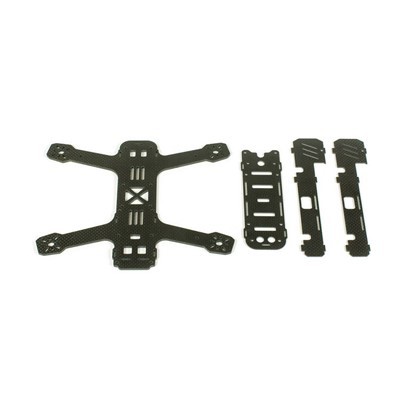


Benefits of Carbon Fiber Drone Parts
Lightweight Strength
One of the most compelling reasons to use carbon fiber in drone manufacturing is its exceptional strength-to-weight ratio. Carbon fiber is significantly lighter than traditional materials like aluminum or steel, allowing for the design of drones that can carry heavier payloads while maintaining agility and speed. This lightweight characteristic directly contributes to improved flight times and battery efficiency, making it an optimal choice for both recreational and commercial drones.
Aerodynamic Design
Our carbon fiber bodies are custom-crafted to provide a sleek, aerodynamic silhouette that reduces drag during flight. This streamlined design enhances overall performance and efficiency, allowing drones to navigate more easily through the air, which is crucial for applications ranging from aerial photography to surveying.
Durability and Resilience
Drones operate in various environments, often subjecting them to harsh conditions. Carbon fiber's inherent durability makes it highly resistant to impacts, UV light, and corrosion. Our carbon fiber airframe skins and cowlings not only protect the internal components but also maintain their integrity over time, ensuring that your drone remains operational and reliable.
Types of Carbon Fiber Drone Parts
Body: Our carbon fiber bodies provide drones with a lightweight and aerodynamic structure, essential for improved flight dynamics.
Wings: The lightweight yet durable carbon fiber wings elevate the drone's flight capabilities, allowing for enhanced maneuverability and stability during flight.
Propellers: Maximize efficiency and thrust with our precisely engineered carbon fiber propellers, designed for optimal performance and reduced noise levels.
Airframe Skins: Our resilient airframe skins protect your drone’s internal components from external elements while contributing to the overall lightweight structure.
Cowlings: Seamlessly integrate your drone's design with our custom carbon fiber cowlings, enhancing aesthetics without compromising performance.
U-Shape Cable Shields: Safeguard your drone's wiring with our lightweight and damage-resistant carbon fiber cable shields, ensuring the longevity of electrical components.
Manufacturing Methods For Carbon Fiber Drone Parts
CNC Machining
CNC Machining in carbon fiber drone parts manufacturing is integral for producing high-precision and complex components, essential for the carbon fiber drone parts performance and reliability. This process, using computer-controlled milling machines, is vital for creating specific parts with exact tolerances.
3D Printing(Additive Manufacturing)
3D Printing, also known as Additive Manufacturing, is revolutionizing the carbon fiber drone parts manufacturing industry by enabling the creation of complex geometries and custom designs that were previously difficult or impossible to achieve with traditional manufacturing methods.
Injection Molding
Injection molding in carbon fiber drone parts manufacturing is a highly efficient process for producing high volumes of consistent, quality parts, particularly plastic components.
This method involves injecting molten plastic material into a mold shaped as the desired part, then cooling and solidifying it. It’s commonly used for creating standardized carbon fiber drone parts like propeller blades, casings, and body panels.
Composite Material Fabrication
Composite Material Fabrication in drone manufacturing involves combining different materials to leverage their unique properties, creating components that are lightweight yet extremely strong and durable.
This process is crucial for parts where weight and strength are critical, such as carbon fiber drone parts frames, bodies, and wings. Techniques like layup, where layers of materials (commonly carbon fiber or fiberglass) are laid over each other and bonded with resins, are widely used.

How to Choose the Right Carbon Fiber Drone Parts
Key Carbon Fiber Drone Parts and Components
A drone is made up of several crucial components, each playing a significant role in its overall performance. Understanding these parts will help you make the best choice for your model.
Drone Frame
The frame is the foundation of your drone, holding all the other parts together. Frames come in various sizes and materials like carbon fiber or plastic. When choosing a frame, consider the type of drone you’re building. Racing drones need lightweight frames for speed, while photography drones require sturdier frames to support the camera’s weight.
Motors
Motors are the heart of your drone’s movement, responsible for spinning the propellers. There are two main types of motors: brushed and brushless. Brushless motors are more efficient and durable, making them ideal for most drones, while brushed motors are more affordable but wear out faster. Ensure that the motor’s power output matches the size and weight of your drone for optimal performance.
Propellers
Propellers come in various sizes and materials, directly affecting your drone’s lift and efficiency. Larger propellers generate more lift but reduce maneuverability, while smaller ones are great for fast, agile drones. The material, typically plastic or carbon fiber, also impacts durability and flight performance. Choosing the right propellers can significantly improve flight stability and control.
Electronic Speed Controllers (ESC)
ESCs regulate the speed of your motors by managing the power drawn from the battery. It’s crucial to pick ESCs that match the power needs of your motors and battery. Incompatible ESCs can lead to overheating or even motor failure.
Flight Controller
The flight controller is essentially your drone’s brain, handling stabilization and navigation. Different controllers offer various levels of control, from basic stabilization to advanced features like GPS and automated flight modes.